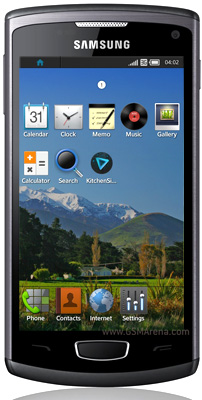


 Qualche giorno fa la nostra Principessa Roy ci ha presentato il nuovo sistema operativo Tizen, basato su piattaforma Linux e creato dalla casa coreana insieme a Intel. Adesso Samsung si starebbe preparando ad una vera e propria fusione fra Bada e Tizen per creare un sistema operativo del tutto nuovo e che unisca gli aspetti migliori di entrambi. Bada è stato lanciato nel 2010 con il Wave e, recentemente, ha subito un importante aggiornamento che ha portato la versione alla 2.0; nonostante gli aspetti positivi (multitasking, interfaccia e Market Samsung), però, non ha mai sfondato. Nell’arco di qualche mese, quindi, Bada cesserà di esistere come OS a se stante ma Samsung ha garantito che il suo SDK e le applicazioni saranno compatibili con Tizen. Non c’è ancora nessuna data ufficiale ma Samsung ha annunciato che nel corso del 2012 presenterà uno o due dispositivi dotati del nuovo sistema operativo. In questo modo Samsung coprirebbe ogni fascia del mercato con un OS diverso: fascia medio bassa con Tizen e fascia medio alta con Android e Windows Phone senza dimenticare la possibilità di vedere sui telefoni coreani il QNX di RIM.
 Samsung is preparing “to merge” Bada and Tizen
A few days ago, our Princess Roy has presented us with the new operating system Tizen, based on the Linux platform and created by the Korean house together with Intel. Now Samsung is preparing for a real merge between Bada and Tizen to create a completely new operating system that combines the best aspects of both. Bada was launched in 2010 with the Wave and has recently undergone a major upgrade that led it to version 2.0; despite the positive aspects (multi-tasking, Interface and Samsung Market), however, has never broken through. Within a few months then, bada will cease to exist as a its own OS, but Samsung has ensured that its SDK and applications will be compatible with Tizen. There is still no official date, but Samsung has announced that during 2012 will present one or two devices with the new operating system. In this way Samsung would cover any market range with a different OS: medium low with Tizen and medium high with Android and Windows Phone without forgetting the chance to see QNX from RIM on the Korean phones.